
Exposure varies by elevation
Orientation, shading, adjacent structures, and seasonal sun angles influence the solar load on each facade. The project review should identify the elevations that matter most.
Application review
Exterior wall applications require coordination between thermal goals, envelope performance, appearance, moisture behavior, and the existing finish system.
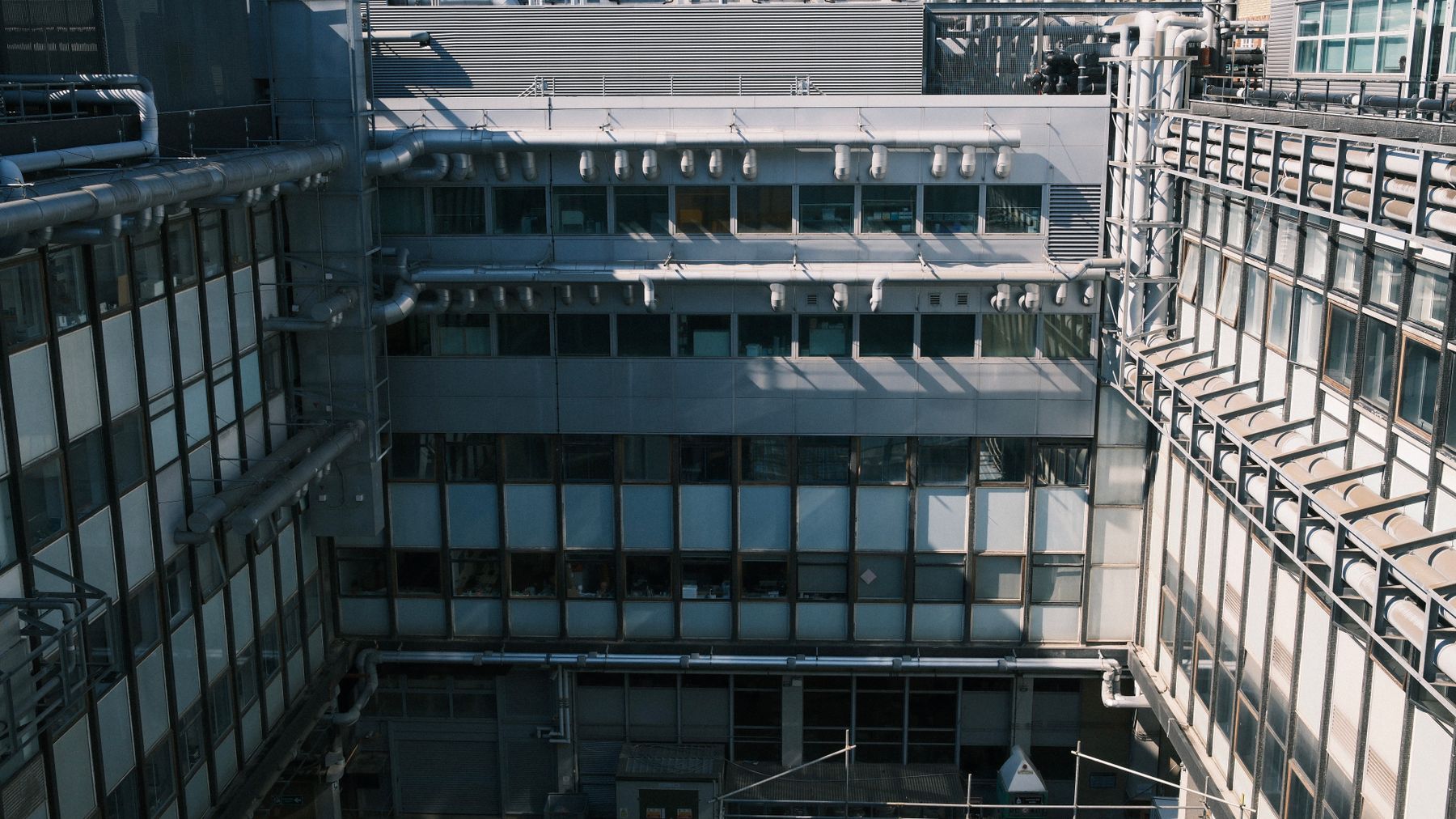
Sun-exposed walls and cladding can add heat to the building envelope and affect exterior finish requirements.
Typical surface: Prepared cladding, concrete, and selected masonry surfaces
Preliminary note: Project review required for assembly, finish, moisture, appearance, and adhesion compatibility.
Orientation, shading, adjacent structures, and seasonal sun angles influence the solar load on each facade. The project review should identify the elevations that matter most.
The coating should be evaluated as one exterior layer within the broader wall system. It does not replace insulation, flashing, drainage planes, or moisture-control detailing.
Color and finish requirements should be documented early because they may affect solar performance, mockup needs, and acceptance criteria.
Provide enough context for RGS to identify known fit, unresolved conditions, and the next appropriate technical step.